

The Journey Blog
Writings to meet you where you are

Caregiving as a Cultural Norm: How Can Therapy Support Adult Children of Aging Asian Parents?
Many Asian American adults are stepping into caregiving roles for their aging parents, balancing cultural values like filial piety with the realities of modern life. While this role can be meaningful, it often brings caregiver burnout, guilt, and emotional strain—especially for first- and second-generation individuals.
Therapy with a culturally competent therapist can help you navigate these challenges without having to explain your cultural background. It offers a space to process complex emotions, set realistic boundaries, and develop healthier ways to support both your parents and yourself.
Caregiving doesn’t have to mean sacrificing your well-being. With the right support, you can redefine what it means to be a “good” child—honoring your family while also caring for your own needs.
If you’re an Asian American adult caring for an aging parent in Pasadena, Los Angeles, Mid City Los Angeles, and Bay Area San Francisco, California, therapy for caregivers can help you find balance, reduce burnout, and build sustainable support.
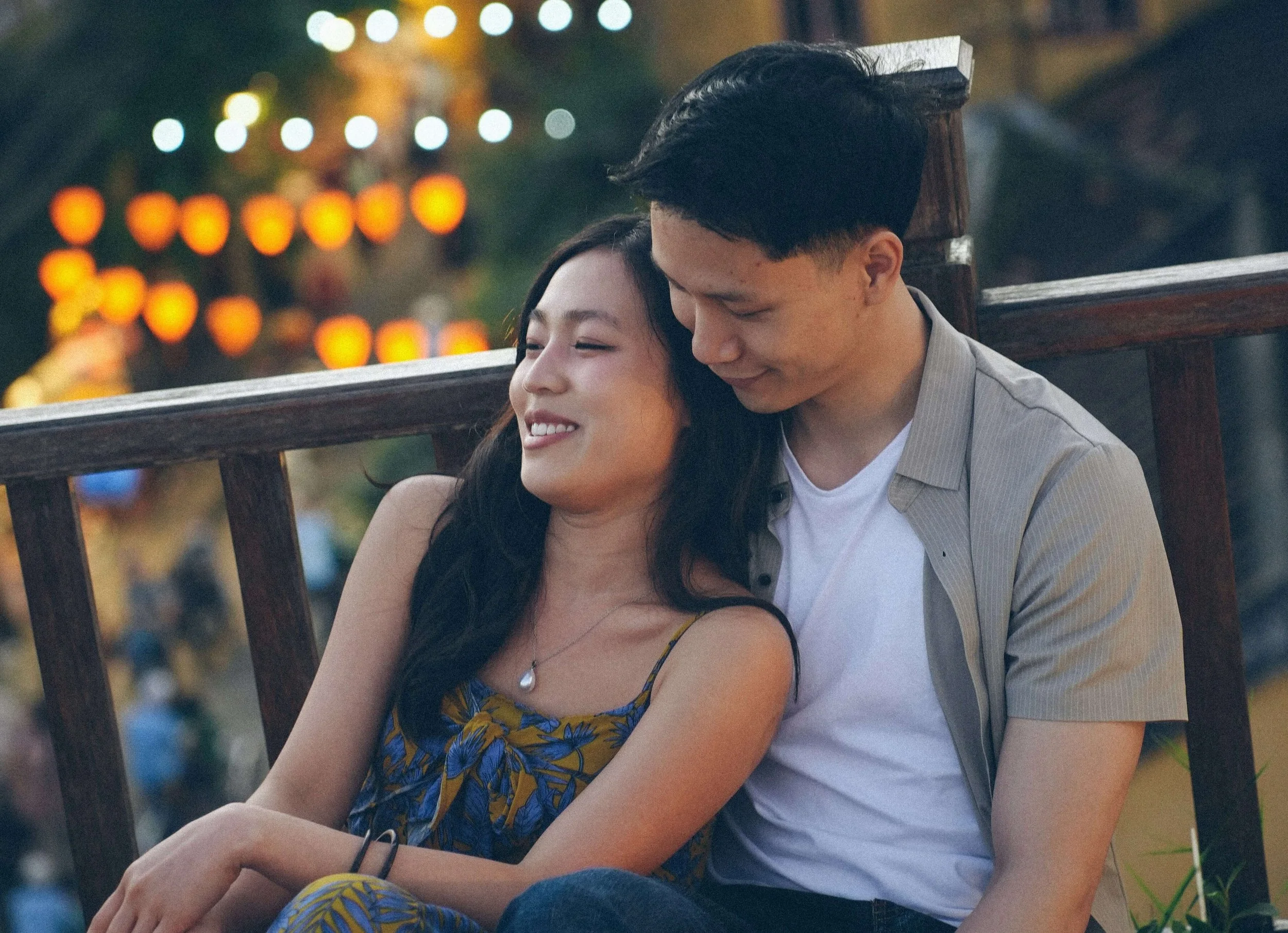
Communication Skills Are Overrated: Find Couples Therapy that Works
Struggling with communication in your relationship? Many couples seek therapy hoping to “fix” things by learning better communication skills—but communication alone often isn’t enough. When emotions run high, even the best tools can fall short.
In this post, Korean American couples therapist Samuel Kim, LMFT, explains why communication skills are overrated without emotional regulation. Learn how unresolved triggers, past wounds, and emotional flooding impact the way couples interact—and why managing your emotions is the key to creating real, lasting change.
If you want a healthier, more connected relationship, it starts from within. Discover how emotional regulation can transform the way you communicate, reduce conflict, and build deeper trust and safety with your partner.

Why the Same Fight Keeps Coming Up: A Pasadena and Los Angeles Couples TherapIst’s Perspective
Many couples keep having the same fight and start to feel stuck. This post explores why ongoing conflict is normal — and how Gottman-informed couples therapy in Pasadena and Los Angeles helps partners stay connected through difference.

Staying Connected: How to Maintain Friendships Through Life’s Transitions
Friendships often change during major life transitions like marriage, parenthood, relocation, or career shifts. For Asian Americans, expats, and high-achieving professionals, these changes can bring unique challenges. Learn practical, therapist-backed strategies to maintain closeness, adjust expectations, and keep meaningful connections strong through every season of life.

Why You Need Self-Regulation in Relationships
You used the communication tools—stayed calm, listened well—but your partner still reacted the same. For Asian Americans, Korean Americans, third culture kids, and expats living in Asia, emotional regulation often carries extra weight. Cultural dynamics, unspoken expectations, and identity struggles can all show up in relationships. In this blog, Asian therapist Samuel Kim shares how learning to self-regulate can create emotional safety, even when conflict arises. At Oak and Stone Therapy, we support individuals and couples navigating cross-cultural stress, identity challenges, and relational disconnection.

Talking About Mental Health in Asian Families: Why It’s So Hard
Talking about mental health with your Asian family can feel confusing and painful, especially when cultural stigma and generational silence get in the way. Whether you're Taiwanese, Chinese, or part of the Asian American diaspora, therapy can help you make sense of your experience and find support that honors both your emotional needs and your cultural background. Based in California and Taipei, we offer culturally sensitive therapy in English and Mandarin

When You Are Confused For the Other Asian Person: You Deserve To Be Known
Growing up as an Asian American in Los Angeles, Pasadena, or the Bay Area, it can be a common experience to be confused with another Asian person. Oak and Stone Therapy explores these racial experiences and emphasizes the importance of being fully seen and known.

How to Set Healthy Boundaries for Asian Americans who Struggle
The conversation around boundaries is everywhere, but often misses a crucial point: true boundary setting isn't about controlling others, it's about defining and enacting your own responses. Many online discussions frame boundaries as demands on others ("You can't do that!"), but what happens when those demands aren't met? At Oak and Stone Therapy, we understand that helpful boundaries empower you to create your own peace and safety, regardless of external reactions. Setting and reinforcing these limits, especially for Asian Americans, is about making conscious choices about how you'll respond to different behaviors, ultimately fostering healthier and more fulfilling relationships. Read on to explore how focusing on internal agency can lead to profound relational shifts.

Codependency in Asian American Families: Understanding & Healing
Navigating codependent patterns within Asian American families in Los Angeles, Pasadena, or the Bay Area? Oak and Stone Therapy explores how cultural values can influence these dynamics and offers steps towards healthier, more independent relationships.

When Good Intentions have A HURTFUL IMPACT
Asian therapist Samuel Kim, LMFT #141541 at Oak and Stone Therapy in Los Angeles, California writes about how to navigate situations when good intentions lead to a hurtful impact.

Your First Experience of Love: How Family of Origin Shapes Your Relationships
Our first experiences of love begin at home.
Learn how your early family dynamics shape adult relationships — and how Asian American therapists at Oak and Stone Therapy can help you heal old patterns.


Too Much or Just Misunderstood?
Have you ever been told you're "too much"? Too emotional, too sensitive, too intense? For many Asian Americans and children of immigrants, emotional expression can feel like a liability instead of a strength. But your "too muchness" isn't a flaw — it's an invitation to explore your needs, relational patterns, and voice with more compassion and clarity.

Why Ghosting Isn’t the Easy Way Out—Especially for Asian Americans
Many Asian Americans and children of immigrants in Los Angeles struggle with ghosting — not because we’re heartless, but because we were raised to avoid conflict, suppress emotions, and prioritize harmony. But ghosting can deepen insecurity, delay healing, and damage trust. In this blog, we explore why ghosting is so common in our communities, how cultural upbringing influences it, and what healthier, more honest alternatives look like for expats, creatives, and first-gen professionals navigating dating and relationships.


Why Conflict in Relationships Can Be a Catalyst for Deeper Connection
Conflict is inevitable in close relationships—but it doesn’t have to be destructive. In this post, Asian American therapist Hatty J. Lee, LMT 83772 explores how conflict can reveal unmet needs, deepen emotional intimacy, and become a turning point for growth. Learn how to approach relational conflict with greater awareness, accountability, and compassion.