

Therapy for Moms in Pasadena & Los Angeles
Therapist for Postpartum Depression, Anxiety, Birth Trauma & Infertility Support in Pasadena, Los Angeles, & Beyond
Teletherapy
We offer high quality in-person therapy for moms suffering from infertility, pregnancy loss, postpartum depression, anxiety, and trauma at our Los Angeles office in Koreatown, Highland Park office, and Pasadena office, serving Highland Park, Eagle Rock, Mount Washington, DTLA, Silverlake, South Pasadena, La Canada, La Crescenta, San Marino and the greater Los Angeles area. Virtual sessions are also available for clients in California, Washington, and select international locations via a HIPAA-compliant platform.
Information

Support for Postpartum Depression, Anxiety, Birth Trauma & Infertility
Motherhood can be beautiful — but it can also feel overwhelming, isolating, or nothing like what you expected. Whether you’re navigating postpartum depression, mom rage, anxiety, birth trauma, infertility, or the identity shifts that come with becoming a mom, you deserve a space where you feel supported, understood, and not judged.
Our Pasadena, Highland Park, and Koreatown / Los Angeles therapists specialize in maternal mental health and provide culturally responsive care for a diverse community, including BIPOC and Asian American moms.
Common Struggles Moms Share in Therapy
Feeling sad, numb, or disconnected from themselves or their baby
Persistent worry about their baby’s safety, health, or development
Feeling like they’re failing or “not a good mom”
Feeling overwhelmed by daily tasks, routines, or decisions
Difficulty relaxing or “turning their mind off”
Feeling guilty for not enjoying motherhood the way they expected
Struggling to bond or feel emotionally connected with their baby
Feeling resentful, frustrated, or ashamed about their emotions
Feeling like they’ve lost their identity outside of motherhood
Struggling with the physical and emotional impact of birth trauma
Difficulty asking for help or knowing what they need
Feeling pressure to “hold everything together” without support
Feeling disconnected from their partner or support system
Feeling alone, isolated, or misunderstood
What our mom Clients often say


When the Weight of Postpartum Depression Makes Every Day Feel Hard
Many moms describe holding it together on the outside, yet feeling sad, numb, disconnected, or unlike themselves — even when they expected this season to feel joyful. You might notice:
Persistent sadness or hopelessness
Feeling overwhelmed or unable to cope
Loss of interest in things you used to enjoy
Feeling detached from your baby or partner
Exhaustion that sleep doesn’t fix
Feeling guilty for not “feeling happy”
Struggling to feel connected or present
These experiences are common in postpartum depression, and it is treatable — you don’t have to navigate it alone.
At Oak and Stone Therapy, our maternal mental health therapists at the Highland Park office, Pasadena office, Los Angeles office in Koreatown, Seattle virtual office, and virtually across California and Washington, can help you understand what you’re experiencing, interrupt the cycles of emotional heaviness and disconnection, and begin rebuilding a sense of steadiness, connection, and support in your postpartum journey.
Many of our Mom Clients with postpartum depression tell us:
“I’m overwhelmed from the moment I wake up.”
“I feel guilty for not enjoying motherhood.”
“I’m exhausted in a way sleep doesn’t fix.”
“I didn’t expect it to be this hard.”
“I feel so alone, even when I’m not physically alone.”
“I don’t feel like myself.”
“I thought I’d be happier than this.”
“I feel disconnected from my baby and from who I used to be.”
“I feel numb — like I’m just going through the motions.”
“I cry all the time and I don’t know why.”
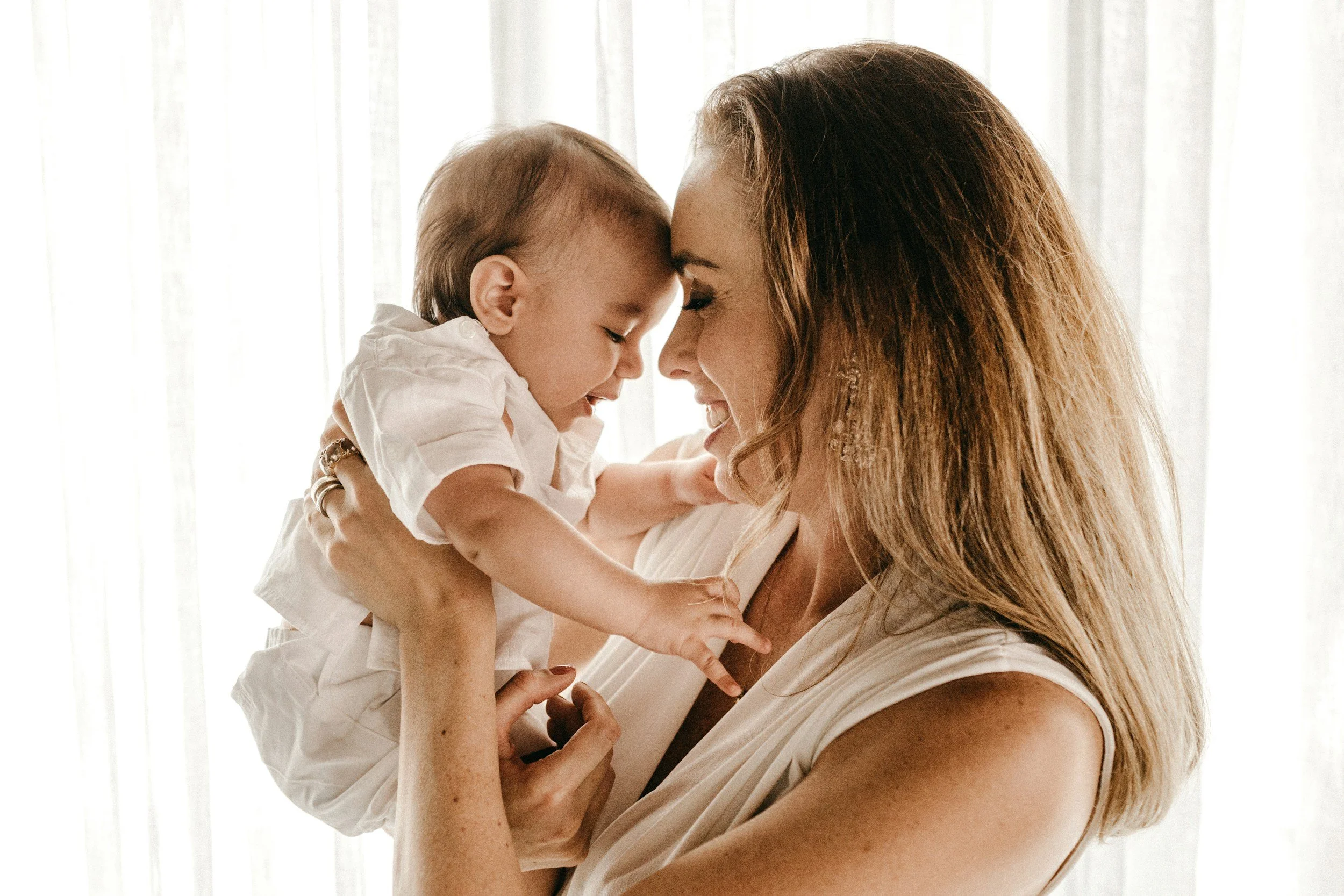
When Being a Mom Feels Overwhelming and Your Mind Won’t Slow Down
Many moms describe feeling constantly on edge, worried, or unable to relax — even when things are calm. You might notice:
Persistent worry about your baby’s safety or health
Racing thoughts that make it hard to rest or focus
Feeling tense, jumpy, or unable to “turn your brain off”
Difficulty sleeping because your mind keeps replaying fears
Checking, researching, or monitoring things repeatedly for reassurance
Feeling overwhelmed by decisions, routines, or unexpected changes
These experiences are common in postpartum anxiety and it’s is treatable — you don’t have to navigate it alone.
At Oak and Stone Therapy, our maternal mental health therapists at the Highland Park office, Pasadena office, Koreatown / Mid City office, Seattle virtual office, and virtually across California and Washington, can help you understand what you’re experiencing, interrupt the cycles of overwhelm and emotional exhaustion, and begin rebuilding a sense of steadiness, connection, and support in your postpartum journey.
Many of our mom clients with postpartum anxiety tell us:
“I can’t relax, even when the baby is safe.”
“My mind won’t stop racing.”
“I’m constantly worried something bad will happen.”
“I feel tense and on edge all day.”
“I’m always bracing for the worst.”
I check things over and over because I’m scared I’ll miss something.”
“I can’t sleep because my brain won’t shut off.”
“I’m always bracing for the worst.”
“I feel overwhelmed by every decision.”
“I know I’m being overly worried, but I can’t stop.”
When You’re Grieving the Family You Imagined and Navigating the Pain of Infertility or Pregnancy loss
Many women describe feeling heartbroken, overwhelmed, or deeply shaken by the emotional weight of infertility or reproductive loss. You might notice:
Grief that resurfaces month after month
Feeling like your body has betrayed you or isn’t doing what it “should”
Waves of sadness, anger, or jealousy around pregnancy announcements
Avoiding baby showers, social gatherings, or conversations about children
Feeling isolated or misunderstood, even by people who care
Strain in your relationship as you and your partner cope differently
Feeling consumed by appointments, treatments, or uncertainty
A sense of losing the future you imagined
These experiences are common in infertility and reproductive grief, and healing is possible — you don’t have to navigate this alone.
At Oak and Stone Therapy, our maternal mental health therapists at the Highland Park office, Pasadena office, Koreatown / Mid City office, Seattle virtual office, and virtually across California and Washington, can help you process the grief, understand the emotional impact of infertility, and begin rebuilding a sense of steadiness, hope, and connection as you move forward.
our mom clients suffering from infertility and grief tell us:
“I feel like my body is failing me.”
“I don’t understand why this is happening to me.”
“I feel broken or defective.”
“I don’t feel like a ‘real mom’ yet.”
“I’m grieving something I never even got to have.”
“Every month feels like a new heartbreak.”
“I don’t know how to hold hope and disappointment at the same time.”
“I’m overwhelmed by appointments, tests, and decisions.”
“I feel like my life revolves around fertility treatments.”
“I’m scared to get my hopes up again.
“Everyone around me seems to get pregnant so easily.”
“I feel alone — like no one understands.”
“I avoid baby showers and pregnancy announcements.”
“I feel jealous and then guilty about it.”
“I don’t know how to talk about this with friends who haven’t gone through it.”
“This is putting so much pressure on my relationship.”
“I feel disconnected from my partner.”
“I don’t know how to ask for what I need.”
“I don’t want people to think something is wrong with me.”

You Deserve Support That Honors Your Story
Motherhood is complex — and you don’t have to navigate it alone. Whether you’re struggling with postpartum depression, anxiety, birth trauma, infertility, reproductive grief, or simply feeling overwhelmed, therapy can help you feel grounded, connected, and supported.
If you’re ready to begin, you can reach out to any of our maternal mental health therapists at Oak and Stone Therapy. Each clinician brings their lived experience as a mom and offers in‑person sessions at the Highland Park office, Pasadena office, Los Angeles office in Koreatown, and virtual therapy across California and Washington.
Learn about our maternal mental health therapists:
Hatty J. Lee, LMFT #83772 (in-person Pasadena/Highland Park office, virtual across California)
Elizabeth Yoshonis, AMFT #157277 (working under supervision/in-person Pasadena/Highland Park office, virtual across California)
Sarah Ling, AMFT #165464 (working under supervision/in-person Pasadena/Highland Park/Koreatown office, virtual across California)
Sarah Hwang, AMFT #157845 (working under supervision/in-person Koreatown office, virtual sessions across California)
Minji Kim, AMFT #150938 (working under supervision/virtual across California)
Kate Han, AMFT #158365 (working under supervision/in-person Pasadena office, virtual across California)
Hanna Byeon, LMFT #126398 (virtual across Washington and California)
Frequently Asked Questions
-
Therapy for moms is a space that is just for you, not your kids, your partner, or your to-do list. Moms come to us for depression, anxiety, constant overwhelm, mom rage, guilt, feeling touched out, losing themselves in motherhood, the mental load, marriage strain after kids, postpartum depression and anxiety, birth trauma, infertility, and pregnancy loss. We combine talk therapy with Brainspotting and Restoration Therapy to help you understand what is underneath the stress, calm your nervous system, and build real tools to feel more like yourself again. We see moms in person in Pasadena, Highland Park, and Koreatown, and online across California.
-
No. We support moms at every stage, from trying to conceive and pregnancy to the newborn years, toddlers, school-age kids, preteens, teens, and launching young adults. Every stage brings its own pressure, and you do not need to be in crisis to deserve support.
-
Yes. Many moms describe losing their sense of who they are after having kids, with their time, body, career, and friendships all changing at once. This shift is sometimes called matrescence, and it can bring grief alongside love. Therapy helps you name what you miss, set limits, and rebuild a sense of self that includes motherhood without being swallowed by it.
-
Yes. We support moms-to-be with pregnancy anxiety, fear of childbirth, high-risk pregnancy stress, and pregnancy after loss. Our therapists use approaches like Brainspotting and Restoration Therapy to calm both your body and your mind so you can feel more grounded heading into birth. Learn more about our anxiety therapy.
-
Mom rage is very common, and it does not make you a bad mom. It is not a formal diagnosis, but it is a real signal. It often shows up when you are exhausted, overstimulated, carrying most of the mental load, or running on empty, and it can also be tied to anxiety, depression, trauma, or untreated ADHD. In therapy we look at what sets it off, calm your nervous system in the moment, and repair with your kids so you can respond the way you want to instead of snapping and feeling guilty afterward. If you ever feel you might hurt your child or yourself, call or text 988 or call 911 right away.
-
Some worry is part of loving your kids. It may be time for support when your mind will not shut off at night, you keep imagining worst-case scenarios, you feel on edge most of the day, or the worry is affecting your sleep, your marriage, or your joy. A therapist can help you sort out what you are experiencing and what will actually help. You can learn more about our anxiety therapy or read our guide for anxious moms and couples.
-
Intrusive thoughts, such as sudden scary images or fears about something happening to your baby, are very common after birth, and having them does not mean you want to act on them or that you are a danger to your child. They can still be exhausting and frightening, especially with postpartum anxiety or perinatal OCD. Therapy gives you a safe place to say them out loud, understand them, and lower their hold. Please also tell your doctor, who can assess whether other support would help. If you are having thoughts of harming yourself or your baby, call or text 988 right away, or call or text the National Maternal Mental Health Hotline at 1-833-852-6262, available 24/7.
-
Yes. Our team supports postpartum depression, postpartum anxiety, birth trauma, NICU stays, and pregnancy loss, in person at three offices or online across California. Elizabeth Yoshonis, AMFT #157277, is our postpartum therapist for moms in Pasadena who works under supervision. You can also read our post on postpartum anxiety and mom guilt.
Pasadena: Elizabeth Yoshonis, AMFT #157277; Sarah Ling, AMFT #165464; Kate Han, AMFT #158365; Hatty J. Lee, LMFT #83772
Highland Park: Elizabeth Yoshonis, AMFT #157277; Sarah Ling, AMFT #165464; Hatty J. Lee, LMFT #83772
Los Angeles office in Koreatown: Kate Han, AMFT #158365; Sarah Hwang, AMFT #157845; Sarah Ling, AMFT #165464
Associates are employed by Oak and Stone Therapy and supervised by a licensed marriage and family therapist. If you are having thoughts of harming yourself or your baby, call or text 988 right away. You can also call or text the National Maternal Mental Health Hotline at 1-833-852-6262, available 24/7.
-
The baby blues are common in the first days after birth, with tearfulness, mood swings, and feeling overwhelmed, and they usually ease within about two weeks. Postpartum depression lasts longer or is more intense, and can include persistent sadness or numbness, anxiety, trouble bonding, changes in sleep or appetite that go beyond newborn life, or feeling like you are failing. It can start during pregnancy or any time in the first year. You do not have to wait it out. You can read more in our post on postpartum anxiety and mom guilt or reach out to our postpartum therapist for moms in Pasadena. Please also tell your doctor how you are feeling.
-
Yes. Some moms carry trauma from a difficult birth, a medical emergency, or a NICU stay. Others find that becoming a mom stirs up old pain from their own childhood, especially when their kids reach the age they were when something hard happened. We use approaches like Brainspotting to help your body and mind process what happened, so the past stops showing up in how you feel and parent today. You can learn more about our trauma therapy.
For birth trauma, Elizabeth Yoshonis, AMFT #157277, is our postpartum therapist for moms in Pasadena. Associates are employed by Oak and Stone Therapy and supervised by a licensed marriage and family therapist.
Some of our mom clients also experience medical trauma, chronic pain, pelvic floor issues, breastfeeding challenges, and postpartum health complications can deeply impact emotional wellbeing.
We use approaches like Brainspotting to help your body and mind process what happened, so the past stops showing up in how you feel and parent today. We have many therapists for moms, including Elizabeth Yoshonis, our postpartum therapist for moms in Pasadena.
-
Yes. Infertility, miscarriage, stillbirth, ectopic pregnancy, and other pregnancy loss bring a grief that is often invisible to the people around you, and it can come back during a new pregnancy or on anniversaries. Therapy gives you room to grieve without having to explain it, to navigate treatment decisions like IVF or whether to try again, to manage the strain on your relationship, and to move through a future pregnancy with more support and less fear.
-
Yes. Many of our therapists are Asian American and children of immigrants themselves. We understand the pressure to be the perfect daughter, wife, and mom at the same time, the expectations of parents and in-laws, and what it is like to raise your kids differently than you were raised. Read more in our post on mental health in Asian families. Kate Han, AMFT #158365, also offers therapy in Korean and English. Associates are employed by Oak and Stone Therapy and supervised by a licensed marriage and family therapist.
-
Yes. Sarah Ling, AMFT #165464, a former special educator, supports parents of kids with ADHD, autism, disabilities, and chronic illness, from a new diagnosis to IEP meetings to the daily stress at home. Elizabeth Yoshonis, AMFT #157277, also works with moms who have ADHD themselves and moms parenting neurodivergent kids. See also our post on therapy for parents of children with special needs and our parenting support page. Associates are employed by Oak and Stone Therapy and supervised by a licensed marriage and family therapist.
-
Your individual sessions are for you, and some moms invite their partner in for a session when it would help. If having kids has left the two of you feeling like roommates or always fighting about the division of labor, our couples therapy or marriage counseling may be the better fit, and we can help you decide.
-
Many moms do. If bringing your baby helps you get to therapy, we welcome it, including feeding or soothing your baby during the session. We also offer online sessions when getting out of the house feels like too much.
-
Yes. Many moms carry cultural, family, social media, or internal expectations to do it all and do it perfectly, and the gap between that picture and real life can feel like failing. Using talk therapy and Restoration Therapy, we help you understand where the pressure comes from, quiet the inner critic, and find a way of mothering that is good enough and feels like you. For Asian American and immigrant moms, this often includes the weight of family expectations, which you can read more about in our post on mental health in Asian families.
-
Yes. Returning to work, managing childcare, and balancing a career with motherhood can leave you feeling stretched thin and guilty in both directions, and the mental load often falls on you at home and at work. Therapy gives you space to sort through the pressure, set boundaries, and make choices that fit your family. If work stress has turned into exhaustion, you can also read our post on career burnout.
-
Yes. Adding another child, or juggling kids at very different stages, can bring a new wave of overwhelm, guilt, and exhaustion. Some moms also notice postpartum depression or anxiety returning with a second baby, or feel torn about not having enough of themselves for each child. Therapy helps you steady yourself, adjust your expectations, and stay connected to each child and to yourself. Our parenting support page has more.
-
Yes. We offer online therapy anywhere in California for clients located in California, so you can meet during nap time, from your car, or after bedtime without arranging childcare. Online sessions use a HIPAA-compliant platform. We also see moms in person at our Pasadena, Highland Park, and Los Angeles office in Koreatown.
-
Reach out through our contact page and share a little about what you are going through. You do not need to have it figured out or be in crisis. We offer a free consultation and will match you with the therapist who best fits your needs, your schedule, and the office or online option that works for you.
In-person therapy at our Highland office, with nearby offices in Pasadena and Los Angeles Office in Koreatown. Virtual therapy across California and Washington State.