Untangling Spiritual Confusion, Doubts, and Questions: Therapy for Uncertain Christians

Navigating Faith, Culture, and Doubts as a Christian
If you grew up with a deep personal prayer life, active small group involvement, or weekly worship, your faith may have provided a profound sense of purpose, meaning, and community. However, reconciling those deeply meaningful experiences with emerging doubts, evolving beliefs, or spiritual pain can feel overwhelming. At Oak and Stone Therapy, we provide specialized faith deconstruction therapy, spiritual exploration support, Christian counseling, spiritual abuse recovery, and religious trauma therapy at our Pasadena office, Highland Park office, and Los Angeles office in Koreatown, and virtually across California and Washington. Given that we are one of the few Asian American therapists with this focus, we also offer a nuanced understanding of how Christian faith intersects with our Asian American identity and community for those of you who might resonate with this experience.
When Faith Shifts: Recognizing Spiritual Disillusionment and Religious Trauma
Spiritual growth and change can take many forms. For some, it begins with quiet questions, subtle faith shifts, or a season of general spiritual confusion. For others, it involves questioning core theology, navigating disillusionment with church leadership, or healing from deep spiritual wounds and religious trauma. Whatever your experience, whether gentle questioning or painful deconstruction, you may find yourself feeling disconnected from traditional Christian spaces, or even from God Himself.
And much to your dismay, you find yourself starting to question what you were taught. The foundations of your beliefs about life start to feel unstable.
The Complexities of Faith Deconstruction and Cultural Identity
Wanting to validate and honor the good experiences you’ve had, but you’re also struggling to reconcile them with the painful, sometimes traumatic, parts.
This period of spiritual shift or religious trauma can feel deeply unsettling, especially when your faith has been a foundational part of your identity and community. It would be simpler if you had no attachment to your beliefs, but for many, a complete break doesn't feel right. You may want to honor the positive, grounding aspects of your background while addressing the doubts or harmful experiences you encountered.
Common Questions When Navigating Spiritual Confusion
"Will my therapist try to push me back into the church—or push me to leave?"
An effective and ethical therapist has no personal agenda for your faith journey, regardless of whether the therapist is a Christian or non-Christian at Oak and Stone Therapy. Therapy should be a non-judgmental, agenda-free space where you guide the process. Whether you decide to reconstruct your faith, re-engage with a community on your own terms, explore a different kind of spirituality, or leave organized religion entirely, your therapist's role is to support your autonomy and help you gain clarity—not to steer you in any specific direction.
"Is it normal to want to hold onto the good parts of my upbringing while letting go of what no longer fits?"
Yes, absolutely. Deconstruction or spiritual shift is rarely an all-or-nothing process. It is entirely valid to honor the meaningful, grounding aspects of your upbringing, such as a vibrant prayer life, rich community traditions, or core values of compassion, while simultaneously letting go of doctrines, practices, or spaces that have caused harm or no longer feel authentic to you.
"Am I losing my identity if my beliefs change?"
When faith has been the central pillar of your life, questioning it can feel like questioning your very self. However, shifting beliefs don't mean you are losing your identity; rather, you are evolving. This process allows you to rebuild an authentic sense of self grounded in your core values, personal agency, and genuine convictions rather than external expectations.
"How do I talk to my family or Asian immigrant church community about my doubts without being dismissed or isolated?"
In many Asian American families and church communities, faith is deeply intertwined with culture and family unity. Expressing doubts can sometimes be interpreted as a rejection of family or community ties. Communicating effectively often involves setting healthy boundaries, sharing your feelings rather than debating theology, and finding ways to express love and connection outside of shared religious practices.
"How do I cope with the loneliness of feeling like my doubts aren't welcome in my social circles?"
Feeling like you must hide your true thoughts around friends or faith communities can be isolating. Coping with this loneliness involves seeking spaces, such as specialized support groups, therapy, or new social networks, where open exploration and honest dialogue are welcomed. Realizing that many others share similar experiences can help rebuild a sense of belonging.
"What does a non-judgmental space for spiritual exploration actually look like?"
A non-judgmental space is one where all your questions, doubts, and emotions, including grief, anger, or relief, are fully validated. In this environment, you are free to explore your spiritual identity at your own pace without pressure to reach a predetermined conclusion or conform to specific expectations.
Are the therapists at Oak and Stone Therapy pastors or spiritual directors?"
No. Our therapists are associate and licensed marriage and family therapists, not pastors, clergy, or spiritual directors. Some of our therapists identify with the Christian faith, some have transitioned out of the faith, and others are agnostic and practice other forms of spirituality. Our focus is strictly on providing professional, evidence-based psychotherapeutic support for your mental health and well-being, rather than offering religious instruction, spiritual guidance, or theological advice.
Navigating Faith Transitions in Asian American Families and Communities
For those of you who are navigating the experience of being part of the Asian American church, faith is often tied to family expectations, immigrant church community, and cultural identity and experiences. Navigating this added layer can be even more jarring to an already confusing and challenging process. How might deconstructing your faith affect your relationships with family and community?
In my experience with clients wrestling with such questions, I find that most people still want to stay connected to loved ones, even if these loved ones don’t know how to stay close to someone whose spiritual views are changing. In such contexts, your genuine questions may end up dismissed and you can end up feeling even more isolated.
Finding Clarity in Your Spiritual Journey: You Don’t Have to Walk Alone
It feels isolating when doubts aren’t welcome in your social circles. Sharing doubts or confusion about your faith may not always be met with warm acceptance. And it’s easy to decide to keep these thoughts to yourself.
Many people go through these experiences, and you don’t have to endure them alone.
Culturally Sensitive Therapy for Faith Transitions in Pasadena & Los Angeles
Oak and Stone Therapy offers therapy for navigating spiritual confusion, faith transitions, and personal growth in Pasadena, the greater Los Angeles area, and online in California and Washington. We aim to provide a non-judgmental and agenda-free space for you to process your spiritual journey. Whether you are working through subtle doubts, active faith questions, or re-evaluating your relationship with religion, we are here to support you alongside someone who understands the nuances without pushing you in any specific direction.
Only you get to decide how or whether you choose to deconstruct or reconstruct your spirituality. You could re-engage with a church community, decide to explore a less institutionalized spirituality, or grieve what you’ve lost and be able to move forward. We’re not interested in where you land. We’re interested in helping you navigate this process intentionally, so that you can experience more peace and confidence with your spirituality.
If you are looking for a safe, non-judgmental space to navigate spiritual questions, integrate Christian faith in counseling, or religious trauma, schedule a free 15-minute consultation today with a therapist who identifies as a Christian or has lived experience in transitioning out of the faith at Oak and Stone Therapy. We offer individual therapy tailored to your needs, as well as a specialized Christian religious trauma support group in Pasadena, Los Angeles, and virtually across California and Washington.

About the Author
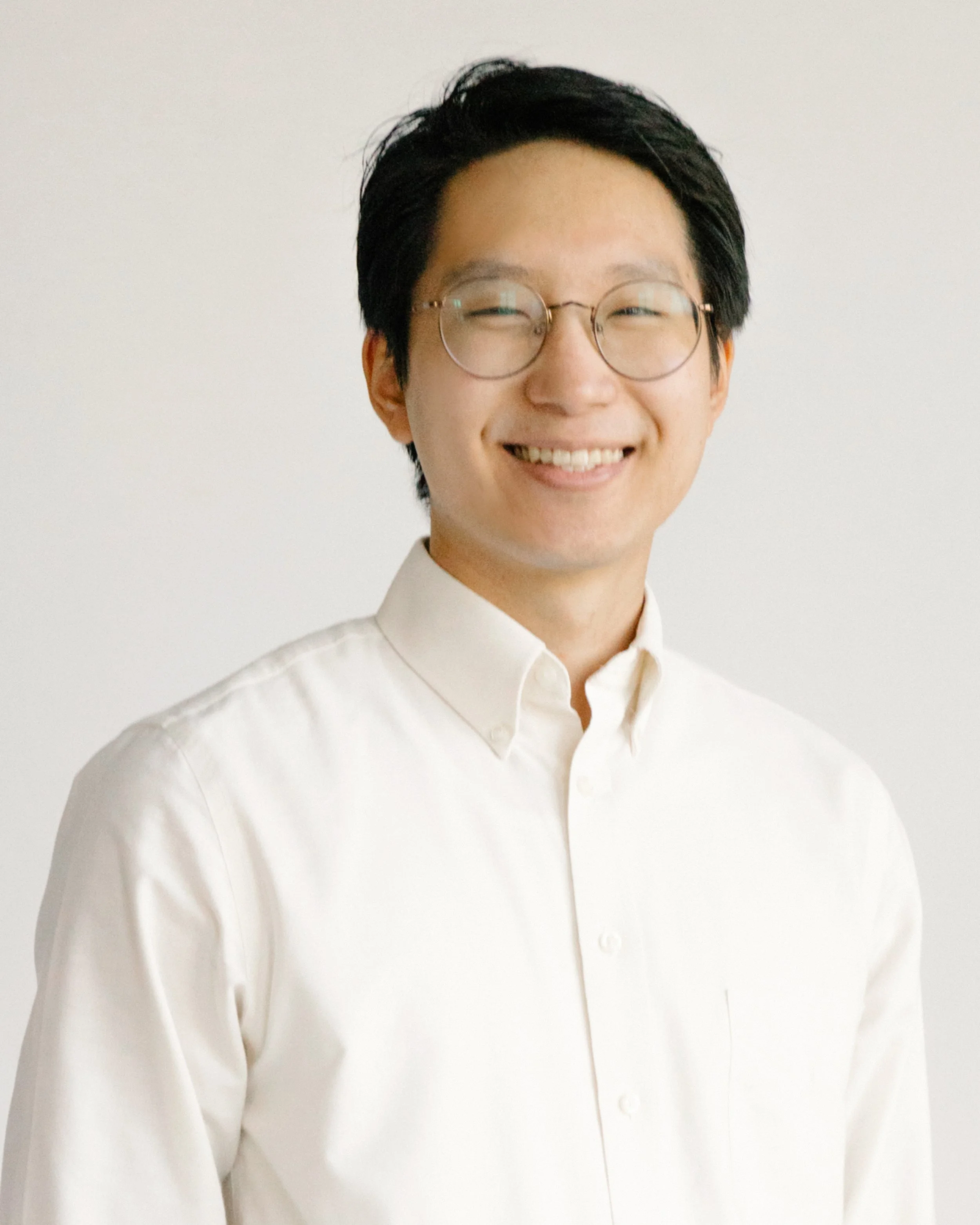
Samuel Kim, LMFT #141541 is an Asian American male licensed marriage and family therapist at Oak and Stone Therapy who offers online therapy services tailored for individuals and couples based in Pasadena, across Los Angeles, the San Francisco Bay area, and expats living abroad in Asia. Samuel focuses on supporting children of immigrants, Christians navigating spiritual confusion, deconstruction therapy, spiritual abuse recovery, and religious trauma therapy. He also has a special interest in third culture kids, interracial couples, and expats navigating cross-cultural contexts, anxiety, imposter syndrome, family of origin traumas, burnout, and relationship challenges for couples.