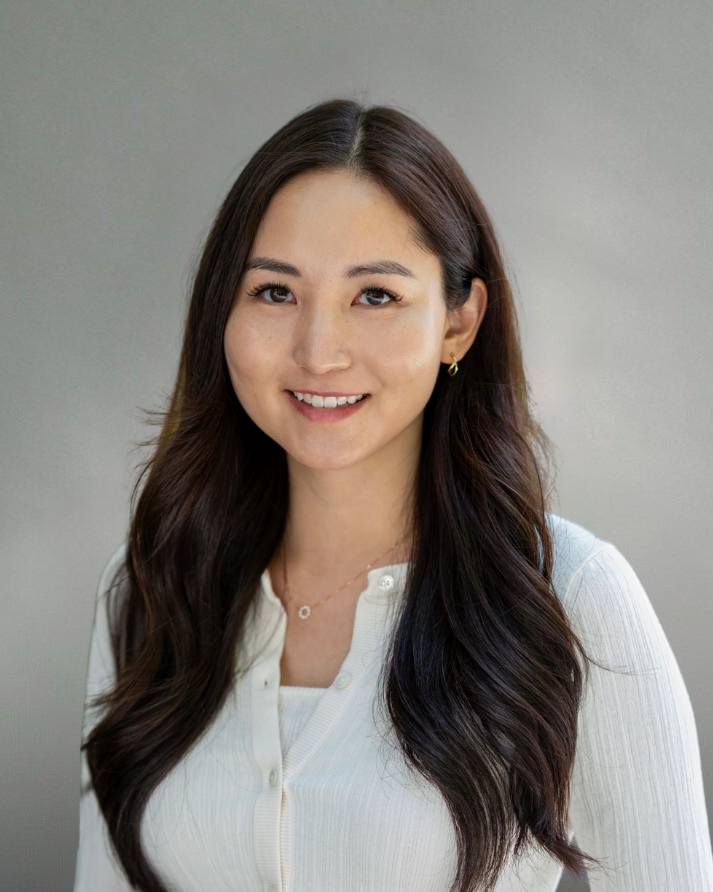
On Overcoming Creative Burnout, Perfectionism, & Anxiety

The most agonizing thing about being creative is also the most rewarding: the possibility of becoming something you have not yet imagined. To create is to contend with the distance between what you envision and what you are able to bring into the world. It is to try, fail, revise, and begin again, often wondering whether the thing you are working toward will ever take shape.
Sitting across from writers, artists, musicians, and performers as a therapist in Highland Park and Pasadena, I am routinely struck by the profound vulnerability of the creative process that can be both deeply fulfilling and emotionally exhausting. To build something out of nothing, whether it is a story, a painting, a composition, or a business, often requires you to navigate uncertainty, self-doubt, perfectionism, and the fear that your work may never become what you hope it would be.
You may wonder some of the following questions:
It is possible to make a living from your creative ambitions?
How to stop comparing yourself to others?
How to I balance my creative practice with a full-time job, relationships, and everyday responsibilities?
When we examine creative blocks and barriers in the therapy room, a deeper, quieter conflict often emerges: How do I continue creating when the very thing I love has become a source of anxiety about my own sense of personal worth?
Therapy with my creative clients often includes exploring these types of questions, understanding the patterns that keep you stuck, and developing a healthier relationship with your creativity.
THE WEIGHT OF PERFECTIONISM AND CREATIVE BLOCKS
Creative blocks are inevitable. Sometimes, you need rest, a change of perspective, or the willingness to make something imperfect. But how do you distinguish between the ordinary frustrations of the creative process and the deeper psychological patterns that make it difficult to begin?
In my therapy work with creatives, I often encourage clients to become curious about what happens internally when they sit down to create.
Are you afraid of making something that falls short of your vision?
Do you abandon projects when they become difficult?
Do you spend so much time refining your work that you struggle to finish anything at all?
Sometimes, creative blocks have less to do with a lack of inspiration and more to do with what we believe our work says about us.
Our early experiences and relationships can shape how we respond to criticism, rejection, and failure. If you learned that love or approval depended on achievement, you may have internalized the belief that your worth depends on what you accomplish. Over time, these beliefs can show up as perfectionism, procrastination, or an overwhelming fear of being seen.
When creating becomes a way to prove that you are good enough, every project carries a burden it was never meant to hold.
Therapy that addresses perfectionism and creative blocks involves understanding these patterns and learning to separate your sense of self from the work you produce.
THE EMOTIONAL CHALLENGES OF BEING CREATIVE
The very qualities that make you creative, such as your sensitivity, intuition, and ability to perceive what others might overlook, can also make you more vulnerable to the disappointments of the creative process.
You may feel deeply affected by criticism, struggle with comparison, or become overwhelmed by the distance between your vision and your abilities. You might find yourself moving between periods of inspiration and periods of self-doubt, wondering how to manage the emotional ups and downs of a creative career.
These experiences can become particularly difficult when you’re balancing creative ambitions with financial pressures, demanding careers, or other responsibilities.
One thing I often encourage my creative clients to consider is whether they are expecting themselves to create under conditions that leave little room for rest, uncertainty, or experimentation.
Your creativity does not exist independently of your emotional well-being. Learning to care for yourself is not separate from your creative practice; it is part of what allows you to sustain it.
THE PURSUIT OF TRANSCENDENCE
For many of my creative clients, the desire to create is about more than producing something beautiful or achieving professional success. It is about the longing to transcend the ordinary, to encounter something that feels larger than yourself, and to give expression to experiences you cannot fully articulate.
You want to be inspired.
You want to discover something in the process of making that surprises even you.
But this longing can also make it difficult to relinquish the things (and vices?) you associate with inspiration. I often hear my creative clients express fear about giving up certain habits or vices because they worry they might lose access to the very qualities that make them who they are.
What if the intensity disappears?
What if the ideas stop coming?
What if the parts of yourself that struggle are inseparable from the parts that create?
These fears deserve curiosity rather than judgment. Sometimes, what we are seeking is not the habit itself, but the temporary freedom it provides from self-consciousness, inhibition, or the pressure to get everything right. But creativity does not have to depend on suffering. You do not have to remain unwell to remain interesting, nor must you sacrifice your well-being to create meaningful work.
Therapy can help you explore the relationship between your emotional experiences, your creative identity, and the ways you seek inspiration, without requiring you to abandon the parts of yourself that make creating meaningful.
GROWTH IS A WINDING PATH
One of the most difficult aspects of a creative life is that even success rarely provides the lasting reassurance we hope it will.
You finish a project, receive recognition, or accomplish something you once dreamed of achieving. For a moment, you feel fulfilled. Then the next idea arrives, the next challenge emerges, and the horizon moves. If you rely on achievement to resolve your self-doubt, you may find yourself caught in an endless cycle of striving, comparison, and disappointment. Growth in therapy is rarely linear, either. You may begin to recognize old patterns only to find yourself falling into them again. You may develop greater confidence in your work while still struggling with criticism or uncertainty. That does not mean you are back at square one. The goal is not to eliminate self-doubt or become impervious to failure, but to learn to meet yourself with enough compassion that you can continue creating without mistaking every disappointment for a verdict on your worth.
THERAPY FOR CREATIVES and Artists IN LOS ANGELES
My hope is not that you will never experience creative blocks, uncertainty, or the frustration of falling short of your own expectations. These experiences are part of the creative process. Rather, I believe therapy can help you understand what keeps you stuck, develop greater self-trust, and build a creative life that feels more sustainable and fulfilling. Together, we can explore the beliefs you have internalized, the fears that make it difficult to share your work, and the longing that continues to draw you toward creating in the first place.
You do not have to become certain of your abilities or your future before you give yourself permission to begin.
You are allowed to be unfinished, to change your mind, to create imperfectly, and to discover who you are through the process itself.
The point is not to limit yourself to just art-making, but to cultivate a life spacious enough for your creativity to flourish without requiring you to forsake yourself in its pursuit.
Therapy can provide a supportive space to navigate creative blocks, perfectionism, self-doubt, and the emotional challenges of pursuing a creative life. If you’re looking for Therapy for Creatives and Artists in Los Angeles and Pasadena, I invite you to reach out to learn more about working together. I provide therapy in-person at the Highland Park office (serving neighborhoods such as Eagle Rock, Mount Washington, Glassell Park, El Sereno, and DTLA) as well as the Pasadena office (serving Altadena, La Canada, La Crescenta, South Pasadena, Sierra Madre, and South Pasadena), and online therapy across California. Feel free to reach out to me, Michelle Park, AMFT #165227, an associate therapist who works under supervision with creatives and artists to schedule a free 15-minute consultation.
Check out my other blog on What to Expect in Couples Therapy in Highland Park & Los Angeles.
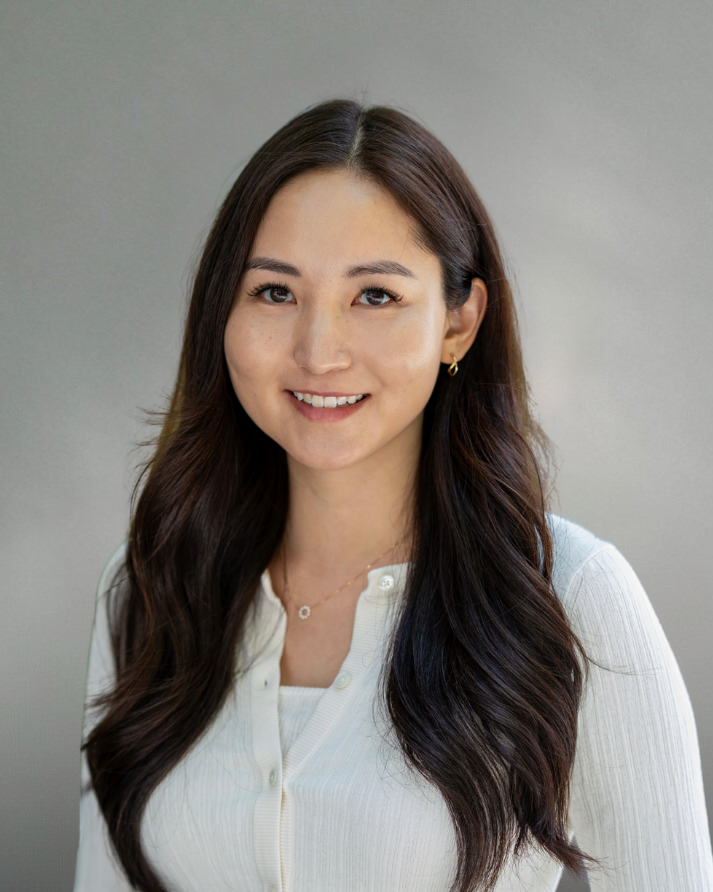
About the Author
Michelle, AMFT #165227, is an Asian American couples and marriage therapist working under supervision offering in-person sessions in Highland Park and Pasadena, and online throughout California. She helps creatives, artists, and couples break painful patterns and reconnect, address performance and creative blocks, and process identity exploration while drawing on Gottman Method (Level 1), Prepare/Enrich premarital counseling, Restoration Therapy and Brainspotting. As the daughter of Korean immigrants in a cross-cultural marriage, she also has a special heart for intercultural and interracial couples navigating family expectations, values and identity.