What to Expect From Couples Therapy in Highland Park and Pasadena

Couples therapy is not easy, but it can be one of the most meaningful investments you make in your relationship.
For some couples, starting counseling early in their relationship is a proactive way to build healthy communication habits, strengthen their connection, and create a strong foundation for the years ahead. Premarital counseling can help couples prepare for the transition into marriage, while couples therapy can also provide a supportive space for navigating interracial or intercultural differences and other challenges that arise as a relationship evolves.
For others, counseling comes after months or even years of heartbreak, disappointment, infidelity or betrayal in a marriage or partnership, recurring conflicts, or feeling stuck in the same patterns.
Wherever you are in your relationship, choosing to grow together takes courage. It can also lead to rewarding personal growth for both partners, often rippling into all areas of life, including friendships, family relationships, and work.
Couples & Marriage Therapy Takes Time
One thing I often tell my couples who are in various stages, such as dating, pre-engagement, pre-marital, or a longterm marriage, is that change rarely happens overnight. When you’ve been caught in the same patterns for months or even years, it makes sense to want things to feel different quickly. But building a healthier relationship takes time, practice, and a commitment to keep showing up for the work.
At Oak and Stone Therapy in Highland Park and Pasadena, I often recommend that couples commit to at least six months of consistent therapy. Some couples may benefit from longer-term work, depending on what they’re navigating. A few sessions can provide insight and even create some immediate shifts, but lasting changes usually takes more time.
It’s easy to feel discouraged when an old pattern shows up again and again, even when you’ve been working hard to change it. But that doesn’t mean that you’re back at square one. In couples therapy, we’re not trying to make conflict disappear or expect you to be perfect. Over time, with the support of a trusted therapist, growth can slowly emerge through creating new ways of thinking, communicating, and relating to one another.
My Experience as a Couples and Marriage Therapist
I’ve worked with couples facing many different challenges, including interracial and intercultural differences, anxious or avoidant attachment styles, neurodivergence, infidelity, grief, career stress, caregiving responsibilities, parenthood, and major life transitions.
I also work with couples looking for neurodivergent-affirming couples therapy, including couples where one or both partners are navigating ADHD or other differences in how they communicate, connect, and experience the world. I have a particular understanding of the pressures that can come with demanding careers, entrepreneurship, and building a business, and I work with business owners, startup founders, and couples navigating the unique challenges of high-demand careers. This can include managing stress, competing priorities, and sharing the responsibilities at home.
Every couple is different, but there are a few experiences that tend to come up again and again:
You may discover things about yourself that are hard to see
One of the most meaningful (and sometimes uncomfortable) parts of couples therapy is recognizing your own role in the relationship dynamic. This doesn’t mean that both partners are equally responsible for every problem. However, lasting change often begins with becoming curious about your own patterns:
How do you respond when you feel hurt?
What happens when you feel rejected, criticized, or misunderstood?
How might your own fears or defenses unintentionally contribute to the cycle between you and your partner?
While these realizations may feel uncomfortable at first, they give way to so much freedom.
When you understand your own patterns, you have more choices about how to respond. Instead of relying on your partner to change, you begin to discover what you can do differently. Ultimately, this realization can create new possibilities for your relationship.
Progress is rarely linear
Couples therapy can sometimes feel like two steps forward and one step back. You might have a breakthrough one week and then find yourselves falling into an old pattern the next. You may communicate beautifully during one conflict and struggle with the next. That doesn’t necessarily mean therapy isn’t working. Changing deeply ingrained patterns takes practice. Old habits are going to come up again, especially when you’re stressed. Learning new ways of relating takes time and repetition. Remember, what matters is getting better at recognizing when you’ve fallen back into an old pattern, interrupting it, and repairing afterward.
Conflict will inevitably happen again, but progress is measured by how you handle it differently.
Love follows effort
We grow up surrounded by stories about love and relationships that often emphasize finding “the one” and living happily ever after. In reality, relationships are much more complex and nuanced than that. Long-term relationships require ongoing attention, vulnerability, accountability, respect, communication, and repair. Being in a committed relationship requires intentional practicing of love as a verb. That means learning to listen to your partner, expressing your needs clearly, taking responsibility when you’ve caused hurt, making space for your partner’s experience, and finding ways to reconcile after difficult interactions.
At the same time, healthy connection doesn’t require you to lose yourself. Couples therapy can help partners learn how to care for each other while also maintaining their own boundaries, identities, and needs.
Couples Therapy Can Help Create a New Normal
With time, effort, and a willingness to look honestly at what’s happening between you, couples can learn new ways of communicating, repairing, and connecting in couples therapy.
My hope is not that couples never experience conflict or difficult seasons. Life will inevitably bring challenges. Rather, I believe couples can develop the skills and connection they need to navigate those challenges together while continuing to keep their relationship vitalized, fulfilling, and fun.
Reach out for a free consultation for in-person couples and marriage therapy
If you’re wondering whether couples therapy might be a good fit for you and your partner, I’d be happy to talk with you about what you’re experiencing and answer any questions you may have. I provide couples therapy and marriage counseling n-person at the Highland Park office (serving neighborhoods such as Eagle Rock, Mount Washington, Glassell Park, El Sereno, and DTLA) as well as the Pasadena office (serving Altadena, La Canada, La Crescenta, South Pasadena, Sierra Madre, and South Pasadena).
Feel free to reach out to me, Michelle Park, AMFT #165227, to schedule a free 15-minute consultation!
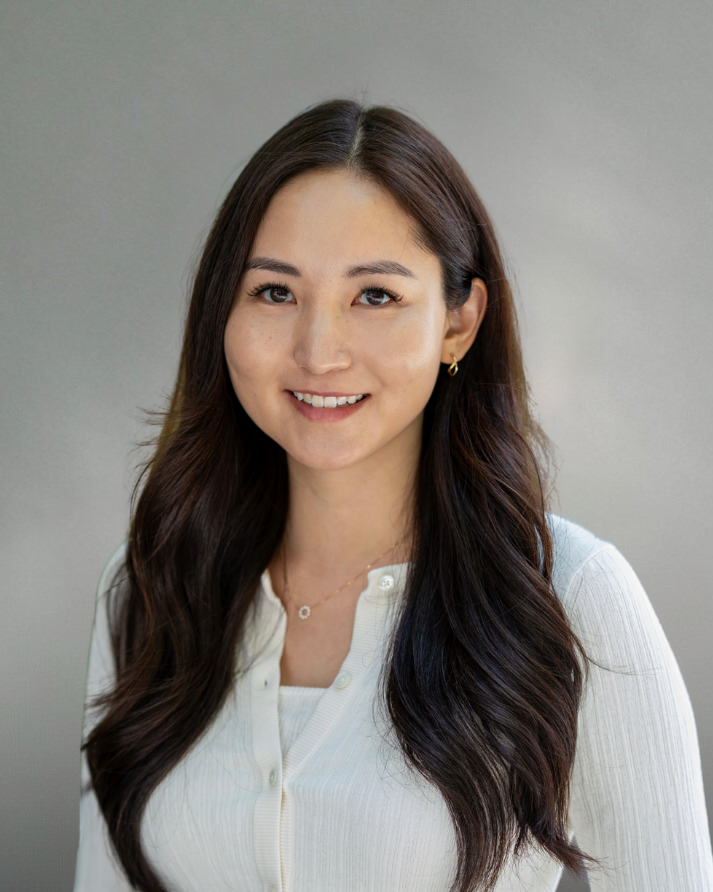
About the Author
Michelle, AMFT #165227, is an Asian American couples and marriage therapist working under supervision offering in-person sessions in Highland Park and Pasadena, and online throughout California. She helps couples break painful patterns and reconnect, drawing on Gottman Method (Level 1), Prepare/Enrich premarital counseling, Restoration Therapy and Brainspotting. As the daughter of Korean immigrants in a cross-cultural marriage, she also has a special heart for intercultural and interracial couples navigating family expectations, values and identity.