Redefining Masculinity: An Asian American Male Therapist’s Perpsective
“Boys Don’t Cry.”
“Don’t Be Such a Girl.”
“Man Up.”
Many of my male clients in therapy have shared hearing some of these phrases at some point in their lives — sometimes from parents, coaches, friends, teachers, and even friends. And if you are a man, chances are that you have experienced it, too. And if you’re like me or any of the clients I have worked with, you may have even regurgitated some of these outdated and dismissive comments to other men to shut down the awkwardness that can arise when men share their feelings.
And it’s not just the “negative” emotions like sadness, fear, or anxiety that are punished.
Men’s “Positive” Emotions Are Punished Too.
I’ve heard people derogatorily label an affectionate or emotionally expressive boy as “gay” or “sensitive.” If you have ever hung out with a group of men, you have likely felt the reservation of expressing how much they might mean to each other without a buffer: a slap on the back, a passive-aggressive joke, or an awkward cough to break the tension.
Toxic Masculinity Doesn’t Only Hurt Women; It Hurts Men Too
Teen boys, for example, have higher rates of suicide but are much less likely to seek help because of masculine norms and stigma. They’re taught that asking for help is a sign of weakness. With society’s gender roles, we men are often discouraged from seeking help to process our emotions. We are punished for our emotions and have learned to hide or self-police them. How frustrating that is for us! That even when we feel things (which we all do), we’re told not to express them and rather to avoid, control, or “man up” by society. So, what is a realistic approach to healthy masculinity?
How Men Can Overcome Shame
Most men are willing to acknowledge that trust and emotional intimacy are essential to deep, meaningful relationships. The challenge is that we’re often just too afraid to initiate such vulnerable interactions and intimate conversations. So let’s normalize that men too have emotions (shocker!), and that it should be okay to talk about them—especially with other men. You’re not alone. Consider men like Simu Liu and Andrew Garfield who have already shared candidly about their mental health.
How to Start Redefining Masculinity
Allow for your definition of masculinity to include emotional intimacy. We don’t have to ignore a huge aspect of ourselves to fit the mold of what society says a man should be. In fact, men who have close male friendships tend to be more confident in navigating their romantic relationships, parenting roles, and work environment. So if any of these are important to you… allow for emotional intimacy in your male friendships!
Highlight the positives of masculine values. Being controlled over one’s behaviors, being willing to face one’s fears, being willing to disagree, being competitive, being direct and honest. These are a few examples of common masculine values that aren’t inherently bad but are oftentimes good! Just because toxic masculinity can be frowned upon, doesn’t mean that all of masculinity is unhealthy.
Screw what others say men should be! This is probably one that riles me up the most. “Men should be (insert toxic masculinity trait).” Who decided that? Do you plan to follow what others say to your own detriment? Or are you willing to push back against common narratives and say that your emotions and experience matters? Have the courage to be counter-cultural and be more real and raw and honest and vulnerable with others.
Find other men who think similarly. It’s challenging to fight against cultural narratives on masculinity. So find other men who might feel similarly and be safe enough to talk to. Especially if you’re an Asian American man, finding other men of similar cultural backgrounds who understand the intersectional nuances of navigating masculinity as an Asian American can be refreshing.
Why Therapy For Men Matters
If you’re interested in redefining masculinity with a male therapist in a way that best fits you and creates space for your experiences in Pasadena, Koreatown, Mid City Los Angeles, the Bay Area San Francisco, and Seattle, reach out for a consultation. I’m confident we can do good work together.
If you’d like to read more of my blog posts, check out my post on third culture kids and therapy for interracial couples.

About the Author
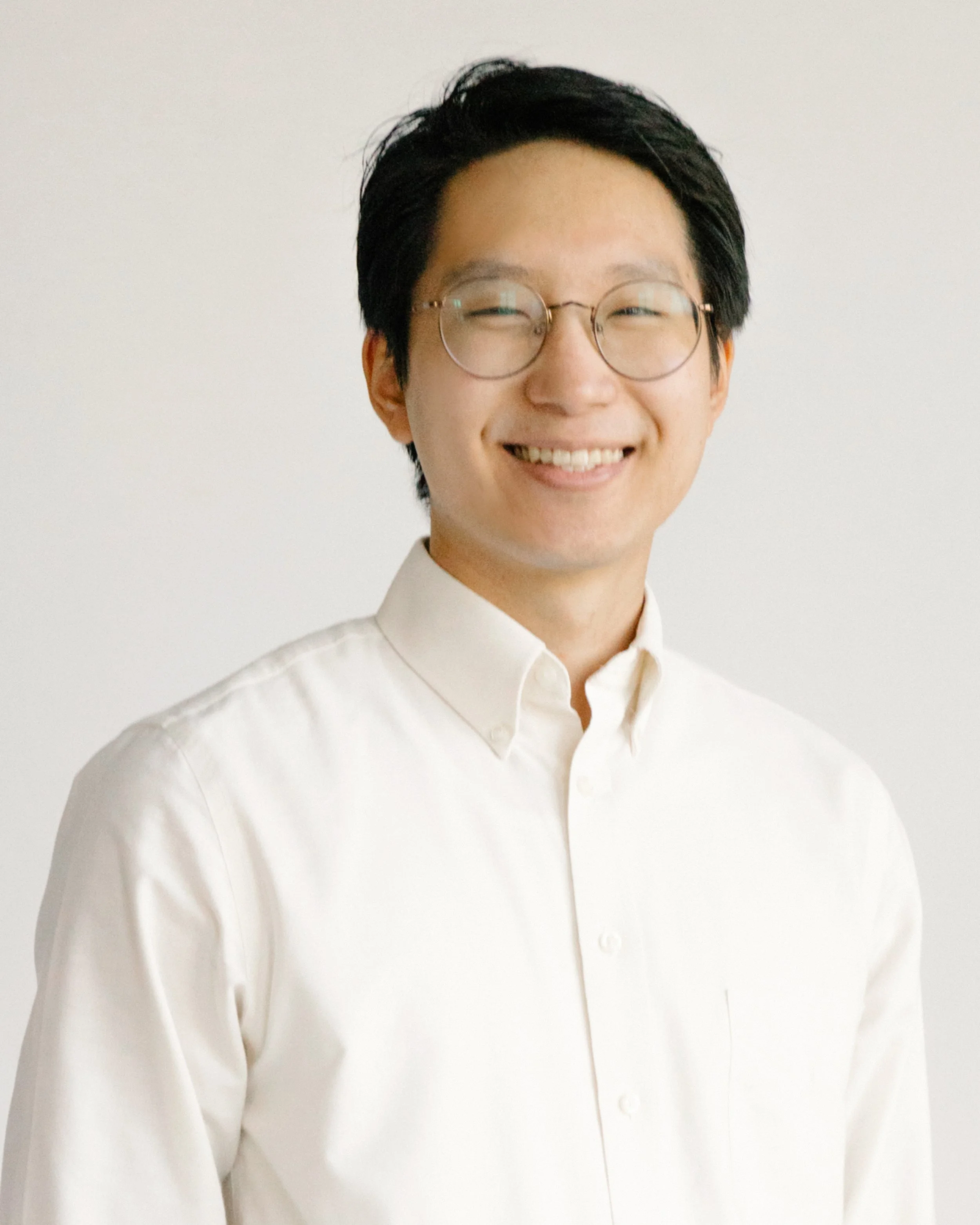
Samuel Kim, LMFT #141541 is an Asian licensed marriage and family therapist at Oak and Stone Therapy and identifies as a third culture kid (TCK) who is also in an interracial marriage. He offers online therapy services tailored for individuals and couples across Los Angeles, the San Francisco Bay area, and expats living abroad in Asia, Latin America, & Europe. Samuel focuses on supporting adult children of immigrants, third culture kids, interracial couples, and expats navigating cross-cultural contexts, anxiety, imposter syndrome, family of origin traumas, burnout, and relationship challenges for couples.